
Balanced meals are meals that combine protein, fiber-rich carbohydrates, healthy fats, and colorful produce in portions that keep energy steady and hunger in check. For Toronto eaters near 655 Dixon Rd in Etobicoke, BiteBox’s 5-day plans deliver balanced meals Monday–Friday in a morning window—making weekday nutrition simple, reliable, and protein-forward.
By Sushen Dang, Founder & CEO — BiteBox
Last updated: 2026-04-29
At a Glance
Balanced meals pair protein, produce, smart carbs, and healthy fats in right-sized portions. Use the plate method (½ veggies, ¼ protein, ¼ whole grains), or follow a curated plan like BiteBox’s 5-day Balanced, Body Builder, or Weight Loss options, delivered across Toronto in a convenient 4 AM–12 PM weekday window.
- What you’ll learn: A practical definition of balanced meals, how to build them, and how to plan a full week without food fatigue.
- Why it matters: Stable energy, better appetite control, and progress toward goals like weight loss or muscle gain.
- Who this is for: Busy Toronto professionals, students, and condo dwellers who want reliable, protein-focused meals.
- How BiteBox helps: 5-day plans, Indian-inspired flavors, early morning delivery, and a self-serve portal to skip/pause/track.
What Are Balanced Meals?
Balanced meals are structured plates that include lean protein, fiber-rich carbohydrates, colorful vegetables or fruit, and healthy fats in portions aligned to your goals. The aim is steady energy, satiety, and adequate micronutrients—without the mid-afternoon crash or late-night cravings.
Think of balance as a simple framework. Protein keeps you full and supports muscle. Fiber-rich carbs fuel your day and digestion. Vegetables and fruit deliver vitamins and minerals. Healthy fats round out flavor, hormones, and absorption.
-
Core building blocks:
- Protein: chicken, fish, tofu, paneer, Greek yogurt, legumes.
- Smart carbs: brown rice, quinoa, roti/chapati, sweet potato, lentils.
- Vegetables/fruit: leafy greens, crucifers, peppers, berries, citrus.
- Healthy fats: olive oil, avocado, nuts, seeds, ghee in modest amounts.
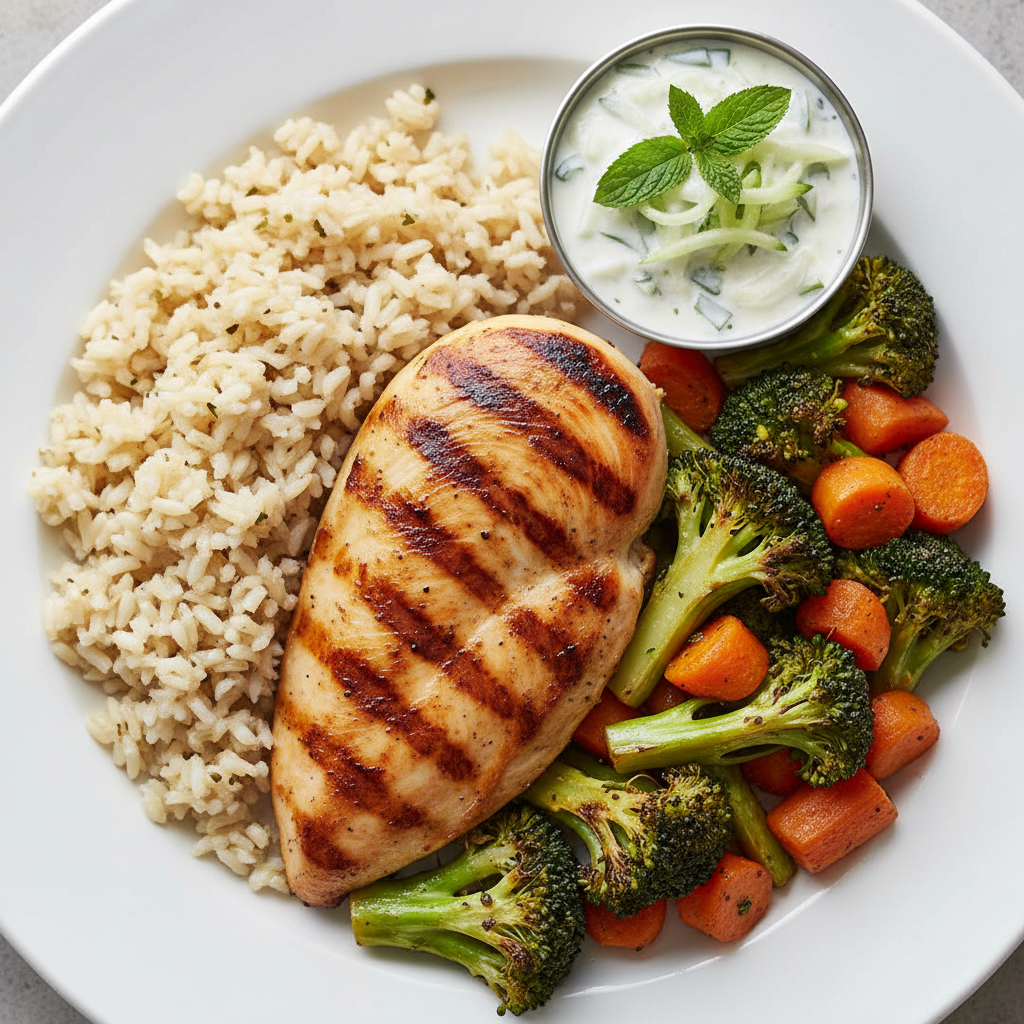
- Easy ratio to remember: ½ vegetables, ¼ protein, ¼ whole grains or starchy carbs, plus a small portion of fat.
- Protein-forward twist: If you train or prefer higher protein, nudge protein to ~⅓ of the plate and reduce starch slightly.
In our experience serving Toronto neighborhoods from Etobicoke to North York, this simple formula scales. It adapts to Indian-inspired dishes, Mediterranean bowls, or classic North American plates—with no sacrifice on flavor.
Why Balanced Meals Matter
Balanced meals stabilize blood sugar, sustain energy for 3–5 hours, and curb cravings by combining protein, fiber, and healthy fats. This structure supports weight management, training recovery, and micronutrient intake—key drivers of long-term health and daily performance.
Here’s why this matters for busy weekdays and active weekends:
- Steadier energy: Pairing protein with fiber-rich carbs slows digestion, reducing spikes and crashes.
- Fuller for longer: Protein and fiber increase satiety, helping reduce mindless snacking.
- Goal alignment: Macros and portions can dial toward weight loss, maintenance, or muscle gain.
- Micronutrients: Produce variety covers vitamins, minerals, and phytochemicals people often miss.
We’ve found the biggest barrier isn’t knowledge—it’s execution. That’s where structure (like a 5-day plan) wins: it replaces decision fatigue with consistent, tasty defaults that still feel exciting.
How Balanced Meals Work (Macros, Micros, and Timing)
Balanced meals work by distributing macronutrients—protein, carbohydrates, and fats—in portions that match your activity and goals, while covering vitamins, minerals, and fiber. Spread these meals across the day to manage hunger, recovery, and focus without obsessing over every gram.
Use these practical ranges to guide your plate and day:
- Protein per meal: Often 25–45 g for general eaters; higher for strength athletes.
- Carbs per meal: Light-moderate on low-activity days; more on training days (especially post-workout).
- Fats per meal: 1–2 thumb-size portions of oils/nuts/seeds keeps meals satisfying.
- Fiber: Aim for vegetables or fruit at every meal and a whole-grain or legume base most lunches/dinners.
- Timing: 3 main meals plus 1 snack works well for many—front-load protein earlier if appetite dips at night.
Balanced meals aren’t rigid rules; they’re rails. On mornings when life is chaos, a protein-forward breakfast and a prepped lunch keep the rest of the day on track.
Approaches: Plate Method, Macro Counting, and Curated Plans
There are three dependable ways to build balanced meals: the plate method for visual simplicity, macro counting for precision, and curated 5-day plans for convenience. Choose the approach that best fits your schedule, preferences, and goals, then stick with it for at least two weeks.
Plate Method (visual and fast)
- How it works: ½ non-starchy vegetables, ¼ lean protein, ¼ whole grains or starchy veg, plus a little healthy fat.
- Great for: New routines, busy weeks, travel, or anyone avoiding number-crunching.
- Example (Indian-inspired): Tandoori chicken, jeera brown rice, kachumber salad, drizzle of olive oil.
Macro Counting (precise and goal-driven)
- How it works: Set daily protein, carb, and fat targets; build meals to hit them. Start with protein at each meal.
- Great for: Body recomposition, strength cycles, and athletes.
- Example: 35 g protein Greek yogurt parfait with berries, nuts, and a side of whole-grain toast.
Curated 5-Day Plans (most convenient)
- How it works: You select a goal-based plan; chef-prepared, dietitian-curated meals arrive in a morning delivery window.
-
BiteBox options:
- BiteBox Meals overview of our curated programs
- Weight Loss plan for calorie control with satisfying protein
- Body Builder plan with higher daily calories and protein
- Why it sticks: Variety prevents meal fatigue; the self-serve portal lets you skip, pause, and track with zero friction.
Step-by-Step: Plan a Balanced Week (Toronto Edition)
Build a balanced week by locking protein first, mapping lunches and dinners with the plate method, and using make-ahead items or a 5-day plan. Early morning delivery across Toronto removes friction so your meals are ready before your first meeting or class.
- Set your anchor protein: Decide on 2–3 proteins you love (e.g., chicken, tofu, chickpeas) for repeat use.
- Pick your carbs: Choose whole grains and legumes that reheat well (brown rice, quinoa, dal, sweet potato).
- Color code produce: Ensure 3+ colors across the day for micronutrient variety.
- Map lunches/dinners: Use the plate method to assemble balanced combos; rotate flavors to avoid fatigue.
- Preload breakfast: If mornings are tight, add an Indian breakfast add-on or prep Greek yogurt and fruit.
- Stock smart snacks: Nuts, fruit, jerky, or a protein shake or smoothie to bridge long gaps.
- Automate delivery: Use BiteBox’s morning window (4 AM–12 PM) to keep weekdays consistent.
- Adjust on Fridays: Treat yourself with our Indian classics via the Friday Special while staying macro-friendly.
Prefer not to plan? A curated 5-day lineup offloads decisions and ensures each box hits your protein and produce targets.
12 Balanced Meal Examples (Protein-Forward)
These 12 balanced meal ideas pair lean protein, smart carbs, vegetables, and healthy fats. Use them as a plug-and-play rotation or as inspiration for BiteBox’s chef-prepared menus—each designed to satisfy while supporting weight, training, or maintenance goals.
- Tandoori chicken + jeera brown rice + kachumber + yogurt raita
- Chana masala + quinoa + sautéed spinach + roasted cauliflower
- Paneer tikka + whole-wheat roti + mixed bell peppers + mint chutney
- Grilled salmon + sweet potato + broccoli + lemon-olive oil
- Turkey keema + basmati-brown rice blend + peas + cucumber salad
- Tofu stir-fry + brown rice + bok choy + sesame
- Dal tadka + millet + roasted carrots + cabbage slaw
- Chicken shawarma bowl + bulgur + tomato-cucumber salad + tahini (see a Toronto-style ingredient overview in this shawarma ingredient guide)
- Greek yogurt bowl + berries + walnuts + chia
- Egg bhurji + whole-grain toast + avocado + cherry tomatoes
- Rajma (kidney bean curry) + brown rice + green beans + ghee drizzle
- Grilled chicken salad + farro + arugula + olives + feta
For days when you need portability, individually packaged meals are easiest to portion and track; here’s a practical look at packaging formats in an individually packaged meals overview.
Comparison: DIY Plate vs Macro Counting vs 5-Day Plans
If you love cooking, the plate method is fastest. If you love numbers, macro counting is precise. If you love convenience, 5-day plans deliver variety with zero planning. Choose the path you’ll follow consistently—that’s the one that wins.
| Approach | Best For | Time Spent | Variety | Adherence |
|---|---|---|---|---|
| Plate Method | Busy weeks, beginners | Low | Moderate | High (simple rules) |
| Macro Counting | Body recomposition, athletes | Moderate | High | Medium (requires tracking) |
| Curated 5-Day Plans | Professionals, students, condo living | Very low | High (chef-curated) | Very high (frictionless) |
Best Practices for Building Balanced Meals
Lead with protein, double your vegetables, and select slow-digesting carbs. Season boldly to beat meal fatigue, and plan at least two “backup” meals each week so a busy day never knocks your nutrition off track.
- Start with protein: Make it the first decision at every meal.
- Veggie-first plating: Fill half the plate with colorful, non-starchy vegetables.
- Smart carbs: Prefer legumes, whole grains, and starchy veg you enjoy.
- Flavor equals adherence: Spices, chutneys, and herbs keep healthy meals exciting.
- Backup meals: Keep two frozen or prepped options for hectic days.
- Hydration habit: Add water or unsweetened tea to each meal.
- Snack on purpose: Pair protein with fiber for long meetings or workouts.
Local considerations for Etobicoke
- Leverage BiteBox’s morning window on days you commute via the Dixon Rd at Martin Grove Rd corridor; meals arrive before rush hour.
- In winter and hot summer weeks, schedule upstairs delivery to avoid weather delays in high-rise buildings near 65 Skyway Ave.
- If you run at Martingrove Gardens Park after work, preload a protein snack so dinner portions stay on target.
Tools and Resources (Make It Easy)
Use a short list of go-to tools: a weekly menu template, a protein-first grocery list, and a meal service that fits your routine. These reduce decisions, keep variety high, and help you stay consistent when life gets busy.
- Weekly template: Repeat proteins; vary sauces and vegetables to keep novelty.
- Protein-first list: Stock chicken, fish, tofu, paneer, and legumes every week.
- Convenient delivery: BiteBox covers Toronto with Monday–Friday morning delivery from our Etobicoke base.
- Curated lineup: Explore our BiteBox Meals to match your goal and flavor preferences.
- Shake safety net: Keep a protein shake or smoothie handy for back-to-back meetings.
- Breakfast solved: Add an Indian breakfast to front-load protein on early starts.
Mini Case Studies: Balanced Meals in Real Toronto Weeks
Balanced meals work best when they fit your life. These brief Toronto scenarios show how professionals, students, and lifters use structure—plate method or 5-day plans—to keep energy steady, hit protein targets, and enjoy food without constant planning.
Case 1: Bay Street analyst (weight management)
- Challenge: Long hours, desk lunches, late meetings; snacking derails evenings.
- Approach: BiteBox Weight Loss plan, protein-forward breakfast add-on, shake on busy days.
- Result: Afternoon energy steadies; evening overeating drops thanks to earlier protein and fiber.
Case 2: Engineering student (balanced maintenance)
- Challenge: Labs and late study sessions; campus food monotony.
- Approach: Plate method for dinners; curated lunches delivered to the condo in the morning.
- Result: Better focus in afternoon labs; less takeout due to ready-to-go portions.
Case 3: Strength athlete (muscle gain)
- Challenge: Hitting daily protein without cooking every night.
- Approach: BiteBox Body Builder plan plus a reliable post-training shake.
- Result: Consistent protein intake and easy recovery meals after evening sessions.

How BiteBox Makes Balance Easy (Operational Advantages)
BiteBox removes weekday friction with early morning delivery, a self-serve portal to skip/pause/track, and chef-prepared, dietitian-curated menus. Variety across five days prevents boredom while keeping protein and portions aligned to your goals.
- Early morning window: Deliveries arrive between 4 AM and 12 PM, Monday–Friday.
- Self-serve portal: Skip days, pause plans, and track deliveries without emails back and forth.
- Dietitian + chef curation: Indian-inspired flavor with macro-friendly structure.
- Goal-based plans: Balanced, Weight Loss, and Body Builder options keep macros targeted.
- Flexible add-ons: Breakfast, Friday Indian classics, and ready-to-drink shakes.
Frequently Asked Questions
Balanced meals match protein, carbs, fats, and produce in portions that support your goals. The fastest way to get started is the plate method or a curated 5-day plan. Here are crisp answers to common questions Toronto eaters ask us every week.
How much protein should a balanced meal include?
Most adults do well with 25–45 grams of protein per meal, adjusted for body size and training. Prioritize lean sources like chicken, fish, tofu, eggs, Greek yogurt, or legumes to stay full and support recovery.
Can balanced meals work with Indian-inspired flavors?
Absolutely. Build a plate with tandoori chicken or chana masala for protein, pair with brown rice or roti for carbs, add a big helping of vegetables, and finish with yogurt raita or a small drizzle of ghee for fat.
I’m slammed in the mornings—how do I stay consistent?
Front-load convenience. Use BiteBox’s morning delivery window so lunch and dinner are ready before work. Keep a high-protein breakfast or shake on hand to start strong without extra prep.
What if I don’t want to count macros?
Use the plate method. Fill half your plate with non-starchy vegetables, add a palm or two of protein, a cupped-hand portion of whole grains or starchy veg, and a thumb of healthy fat. It’s fast, visual, and flexible.
Key Takeaways
Balanced meals are built on protein, fiber-rich carbs, vegetables, and healthy fat. Choose the approach you’ll sustain—plate method, macros, or a curated 5-day plan—and use morning delivery to remove weekday friction.
- Balance = protein + plants + smart carbs + healthy fat.
- Consistency beats perfection—build a repeatable routine.
- Variety prevents meal fatigue and supports micronutrient needs.
- Morning delivery and a self-serve portal keep life simple.
Conclusion
Balanced meals are a repeatable framework for eating well without overthinking. Lead with protein, fill your plate with color, and choose the planning method that matches your lifestyle so healthy choices become the default—especially on busy Toronto weekdays.
Ready to make balance effortless? Explore the goal-based lineups on the BiteBox meal prep site, then set your week on autopilot with early morning delivery and flexible, self-serve controls.
Soft CTA: Want a done-for-you week of balanced meals? Choose your goal, add breakfast or shakes if you like, and let BiteBox deliver between 4 AM and 12 PM—so your meals are ready when you are.